It’s been over a month since the Deep Freeze swept across Texas, shutting down the power grid, curtailing natural gas supplies, and generally wreaking havoc on the state’s population and infrastructure. The petrochemical industry was hit particularly hard, with every ethylene-producing steam cracker in the state and many in nearby Louisiana forced into hard shutdowns — that is, production coming to a screeching halt with little or no preparation. The result was unit damage well beyond what typically happens with other weather-related events like hurricanes, where there is usually some ability to manage an orderly shutdown. Consequently, at least half of the industry’s capacity to produce ethylene and its by-products remains offline, a development that is ricocheting through supply chains across the economy. Today, we examine the magnitude of the damage, consider what is happening in ethylene markets — the epicenter of the turmoil — and contemplate the longer-term implications of the outages.
We’ve investigated the ethylene market often in the RBN blogosphere, most recently in Ethylene Ethylene, Prettiest Margin I Ever Seen, posted January 4, 2021, where we looked at what were then considered high ethylene prices and margins. More on that in a minute. As we always like to mention up front, ethylene is the cornerstone building block of the petrochemical industry, the precursor for everything from food packaging to construction materials, along with detergents, lubricants, PVC pipes, antifreeze, and all things polyethylene. And that’s not all. Ethylene production comes along with a lot of by-products — critically important petchems like propylene, butadiene, benzene, and other commodities too numerous to mention. The point is that ethylene plants — also referred to as steam crackers — are the primary source for more products we use everyday than you’d ever imagine.
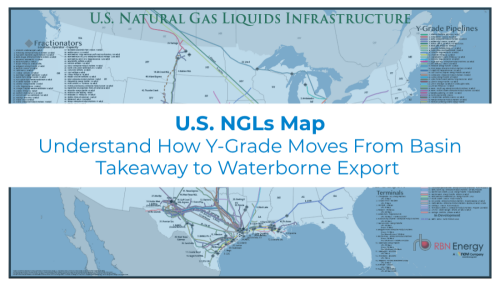
Visualize the infrastructure behind U.S. NGL movement.
The U.S. NGLs Map provides a comprehensive view of the transport, processing, and export networks moving NGLs across the U.S.
To put the events of the past six weeks into perspective, let’s take a brief tour of ethylene production facilities in the U.S. There are 50 individual ethylene plants, but several petchem complexes include more than one plant at a given location. For example, ExxonMobil has three steam crackers in Baytown, TX, and Dow has two in Plaquemine, LA. As shown in Figure 1, almost 90% of the crackers in the U.S. are located along the Gulf Coast, and 60% of them are in one state: Texas. Only four U.S. ethylene plants are not on the Gulf Coast — one in Longview, TX, and the other three scattered across Illinois, Ohio, and Kentucky. The largest concentration of facilities in Texas are in Houston, Beaumont, and near Freeport. In Louisiana, the plants are clustered in Lake Charles and along the Mississippi River.
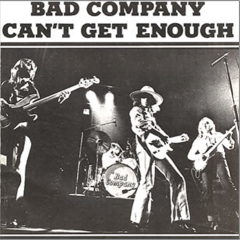
About the song
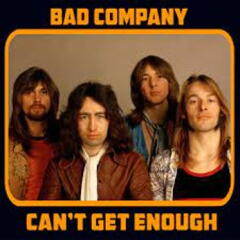
“Can't Get Enough” was written by Mick Ralphs and appears as the first song on side one of Bad Company’s debut album, Bad Company. Released as a single in August 1974, the song went to #5 on the Billboard Hot 100 Singles chart. The unique ringing guitar tone for the song was achieved by guitarist Mick Ralphs tuning his Les Paul Junior to an open-C tuning. Personnel on the recording were: Paul Rodgers (vocals, rhythm guitar), Mick Ralphs (lead guitar), Boz Burrell (bass), and Simon Kirke (drums).
Bad Company was the debut album by the English hard rock group of the same name. It was the first album released on Led Zeppelin’s then newly formed Swan Song Records label. Recorded on Ronnie Lane’s Mobile Studio at Headley Grange in East Hampshire, England, the LP was released in June 1974. Produced by Bad Company, the album went to #1 on the Billboard Top 200 Albums chart. It has been certified 5X Platinum by the Recording Industry Association of America. Three singles were released from the album.
Bad Company was formed in Albury, Surrey, England in 1973 by singer Paul Rodgers, guitarist Mick Ralphs, drummer Simon Kirke, and bassist Boz Burrell. Rodgers and Kirke had previously played together in the band Free; Mick Ralphs was in Mott the Hoople; and Boz Burrell had played in King Crimson. Led Zeppelin’s manager, Peter Grant, also managed Bad Company. The band has released 12 studio albums, five live albums and 29 singles, and has sold more than 40 million records worldwide. Twelve members have passed through the group since its inception. Original bassist Boz Burrell died in 2006. The band still occasionally tours, with founding members Paul Rodgers and Simon Kirke remaining in the lineup.