


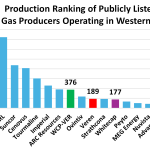
On March 10, Canada’s Whitecap Resources Inc. and Veren Inc. announced an all share based transaction valued at C$15 billion ($~10.4 billion) to merge the two companies and create Canada’s seventh largest oil and natural gas producer by production volume. This latest merger continues the trend to fewer, but larger companies in the Canadian oil and gas sector that has been underway since the industry recovered from the intense downturn brought on by the COVID disruptions of 2020. The combination’s primary goal, according to the companies, is to create a corporate entity of greater scale that can lower costs, attract a better diversified and well capitalized shareholder base, and more actively compete in Canada’s rapidly consolidating oil and gas sector, especially in the unconventional formations of the Alberta Montney and Duvernay, regions where the two companies already have producing assets and large land holdings.
Featured Articles


One Piece at a Time - Upstream Consolidation in Western Canada Quickens With Whitecap/Veren Deal
In an industry such as oil and gas that is beset with more uncertainty than usual of late due to geopolitical upsets, bubbling trade wars and a recent plunge in crude oil prices, being a larger company with the resources to survive the turbulent times — and thrive when the sailing is smoother — is more important than ever. For Western Canada’s energy sector, this has meant companies getting bigger through mergers. In today’s RBN blog, we discuss the planned combination of Whitecap Resources and Veren, one of the largest deals to emerge in the region in recent memory, as well as several other recent transactions that have been part of the consolidation wave.


Get Together - Alberta Oil Sands Consolidation Fires Up With Cenovus-MEG Merger — Maybe!
Merger activity this year has been frequent in Canada’s oil and gas sector as companies strive for scale and efficiencies in an increasingly competitive landscape. The latest M&A salvo arrived in late August when MEG Energy agreed to a takeover offer from Cenovus Energy to create the largest bitumen producer in Alberta’s oil sands. With billions of barrels of reserves up for development, it is a chance for Cenovus to further consolidate and expand its existing lead in bitumen output from the oil sands. However, what might seem a straightforward corporate merger has been buffeted by a rival bid from Strathcona Resources in its attempt to create scale and ensure its own long-term competitiveness. In today’s RBN blog, we’ll examine the details of the two offers and what is at stake for all involved.


Get Closer - Canada's Natural Gas Producers Face Increasing Pressure to Merge
Corporate mergers and asset acquisitions are the normal course of business in almost any industry, but the pace of this kind of activity has recently picked up among Canada’s natural gas producers. Battered by several years of low prices, market share loss, and declining production, the position for many already-struggling gas producers only got worse when COVID hit last year. As you might expect, better placed and stronger gas producers are looking at struggling companies that have attractive assets to see if they might make accretive asset purchases or outright corporate takeovers. Today, we examine some of the most prominent natural-gas-related transactions and the motivations behind them.
