


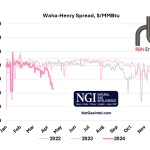
Much has been written about low natural gas prices at Henry Hub this year, and we at RBN have made our contributions to that discourse (see Fear and Loathing and Just In Time). Prompt month futures prices have been below $2.00/MMBtu for over two months now. While Hub prices at these levels certainly create challenges for producers, these prices pale in comparison to the bearishness in the Permian Basin where some producers are paying in excess of $2.00/MMbtu to have their gas taken away. According to pricing data from Natural Gas Intelligence (NGI), outright Waha cash prices averaged negative $2.39/MMBtu last week, putting spot prices in the basin nearly $4.00/MMBtu below Henry Hub (see bold pink line in chart below).
Featured Articles


- Blog
King of Pain - Waha Price Collapse Signals Worsening Gas Supply Glut in the Permian
The U.S. natural gas market last week was again reminded of the hair-trigger conditions that Permian producers and marketers are operating under — with gas production pushing against available takeaway capacity, all it takes is an otherwise minor/routine maintenance event on even one West Texas takeaway pipeline to send regional gas prices spiraling into negative territory. Waha Hub gas prices last week collapsed to their lowest level ever, with intraday trades even going negative — meaning some had to pay the market to take their gas. This wasn’t the first time that’s happened in the Permian — a similar event occurred in late November 2018 — but it was the worst to date and signals a heightened supply glut in the region, at least until the first new takeaway pipeline comes online in the fourth quarter of this year. Today, we explain the recent price weakness in West Texas and implications for Permian basis in 2019.
- Analyst Insight
Joy and Misery as Waha Gas Price Plunges to Multi-Year Lows
Last week saw an Ode to Joy from some and a lament of misery from others as Waha cash gas prices reached multi-year lows.


- Blog
Don't Blame Me - What's Causing Negative Gas Prices in the Permian and How Long Will They Last?
Natural gas prices at the Waha Hub in West Texas have been below zero for going on two weeks — that’s outright negative cash prices, not basis, which means Permian producers are literally paying to have their gas taken away. Ample supply along with weak demand have prompted an early start to the injection season this year and are putting downward pressure on U.S. gas prices more broadly. But why all the craziness now? One of the best ways to get a handle on the Permian gas-market meshugah is to examine gas pipeline flows within the basin and without, which, as it turns out, is the focus of our upcoming School of Energy Master Class. Today's RBN blog is a blatant advertorial for that event where we’ll be discussing gas-flow analysis, pipeline modeling and how they help explain why Waha gas prices have gone sub-zero.
