


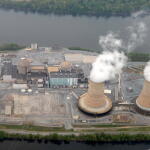
Taking a page from the Palisades Nuclear Plant, Microsoft and Constellation Energy have signed a 20-year agreement to sell power from a re-opened Three Mile Island Unit 1, a 820 MW generator in Susquehanna, PA which is the right half of the plant shown in the photo below. Unit 2 was the site of the worst commercial nuclear accident in US history, though decades of research have show no injuries to anyone as a result of the accident. Unit 1 was shutdown in 2019, and has been undergoing decommissioning activities ever since.
Featured Articles


- Blog
We'll Be Together - To Meet Power-Demand Surge, Data Centers Increasingly Turning to Nuclear Power
The growing number of energy-intensive data centers coming online across the U.S. is spurring utilities to ramp up plans to add new sources of power generation but also complicating efforts to decarbonize. One of the hottest topics in energy today is how plans to restart shuttered nuclear plants and build new small modular reactors (SMRs) could help accomplish both goals. In today’s RBN blog, we’ll look at why data centers and nuclear power seem like a natural fit, examine which shuttered plants might be brought back to life, and outline plans by a pair of U.S. economic titans to bring new advanced reactors online.

- Blog
Coming Back to Life - Carbon-Free Power Needs Could Bring Palisades Nuclear Plant Back Online
The Nuclear Regulatory Commission (NRC) is preparing to oversee a restart of a shuttered nuclear power plant for the first time — the Palisades Nuclear Plant in Michigan. Other reactors have successfully restarted after stretches of inactivity but Palisades was in the process of being decommissioned and no longer has its operating license, so it faces a complicated — and unprecedented — path forward, helped in large part by a $1.52 billion conditional loan guarantee from the U.S. Department of Energy (DOE). In today’s RBN blog, we’ll discuss what it will take to restart the Palisades plant, which could provide carbon-free electricity for 800,000 homes.


- Blog
Rise Up - Restarts, Uprating, Microreactors to Play Important Roles in Building U.S. Nuclear Capacity
The U.S. intends to triple its nuclear generating capacity by 2050 to meet the expected growth in electricity demand and expand carbon-free power production. In a recently related roadmap to achieving that goal, the outgoing Biden administration said the U.S. aimed to have 35 gigawatts (GW) of new nuclear capacity either in operation or under construction by 2035. It also outlined the key roles that restarting previously shut reactors, uprating some facilities to produce more power and the development of microreactors could play in the years ahead. In today’s RBN blog, we’ll discuss the report’s key findings and recommendations and what they tell us about the future of U.S. nuclear power.
