


In terms of raw tonnage, the Port of Houston is by far the busiest in the United States. The 52-mile-long Houston Ship Channel (HSC) — running from just outside downtown Houston out to an area between Galveston Island and Bolivar Peninsula — is the artery that enables the heavy ship traffic, much of it tied to crude oil, LPG, petroleum products and other hydrocarbons. But in the same way that Houston’s Interstate 45 traffic backs up during the morning commute, the ship channel traffic, which normally runs at about 60% of peak levels, can be (and has been) subject to delays when there’s an accident, visibility problems, or a slow-moving double-wide taking up two lanes. With energy-related export activity on the rise, efforts are underway to address those issues. Today, we begin a series on the issues facing some Texas ports and the measures being taken to help alleviate them.
In honor of Star Wars day tomorrow (May the 4th be with you!), we’ve had our shipping team put together a short video depicting the threats posed by VLCCs to some of the smaller vessels in the fleet.
Any way you slice it, the Port of Houston serves as one of the most significant conduits in America. It supports 140 docks (with another six under construction) that are home to more than 300 berths. In 2018, HSC had nearly 19,000 ship movements, more than 10,000 of which were tankers. (Note that tankers may have multiple movements per visit to the HSC.) Of those 10,000-plus movements, there were 8,706 movements by Panamax-class tankers (capacity of 350-400 Mbbl), 1,270 by Aframax tankers (500-725 Mbbl), and 246 by Suezmax tankers (up to 1 MMbbl) — HSC can’t currently handle Very Large Crude Carriers (VLCCs), each of which can haul about 2 MMbbl, or more than 200,000 deadweight tons (DWT).
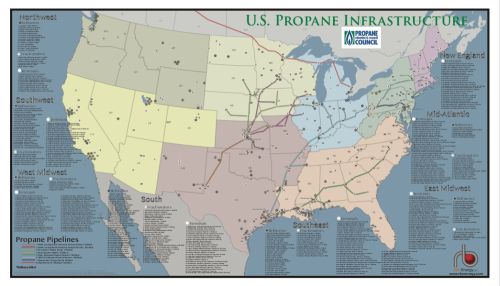
The RBN Energy U.S. Propane Infrastructure map provides a comprehensive view of the propane supply network in the lower 48 states.
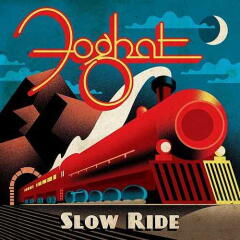
About the song
"Slow Ride" was written by Lonesome Dave Peverett and was the first single released from Foghat's 5th studio album Fool for the City. Released in December 1975, and produced by Nick Jameson, it went to #20 on the Billboard Hot 100 chart. Personnel on the recording were: Lonesome Dave Peverett (lead vocals, guitar), Rod "The Bottle" Price (slide guitar, guitar, steel guitar, backing vocals), Roger Earl (drums, percussion), and Nick Jameson (bass, keyboards, guitar, backing vocals, producer).
Fool for the City was recorded at Suntreader Studios in Sharon, VT. It went to #23 on the Billboard Top 200 Albums chart and became Foghat's first Platinum album as certified by the Recording Industry Association of America.
Foghat is an English rock band formed in London in 1971 by Peverett, Earl, and bassist Tony Stevens, who had all been together previously in the band Savoy Brown. They added slide guitar player, Rod "The Bottle" Price from Black Cat Bones to complete their original lineup. The name "Foghat" comes from a nonsensical word that Peverett made up during a Scrabble game with his brother. The band has released 17 studio albums, four live albums, and 24 singles to date. Seventeen different members have passed through the band since its inception. The key members — Peverett, Earl, Price, and bassist Craig MacGregor — were with the band during its most popular days. Peverett died in 2000, Price in 2005, and MacGregor in 2018. Foghat still tours today, with drummer Roger Earl being the only founding member in the band.






Comments
EXCELLENT!