


After years of debate and speculation regarding prospects for U.S. exports of liquefied natural gas (LNG), the first cargo left the Gulf Coast around 8:30 pm EST Wednesday (February 24, 2016) from Cheniere’s Sabine Pass terminal, according to Genscape’s global LNG cargo monitoring service. The vessel carrying a little more than 3.0 Bcf of LNG is reportedly bound for Petrobras in Brazil. The incremental export demand that this LNG cargo and others like it to follow represent, is potentially good news for U.S. gas producers, with benchmark futures prices at Henry Hub, LA closing yesterday (February 25, 2016) near record seasonal lows at $1.711/MMBtu in the face of mild winter demand, record production and brimming storage levels. Today we look at how this first cargo was supplied and what that tells us about current and future impact to flows and regional prices.
Genscape’s camera last Monday captured the Asia Vision LNG tanker docked at the Sabine Pass berth with its loading arms connected to the carrier (Figure 1). The tanker is said to have a capacity of nearly 3.4 Bcf.
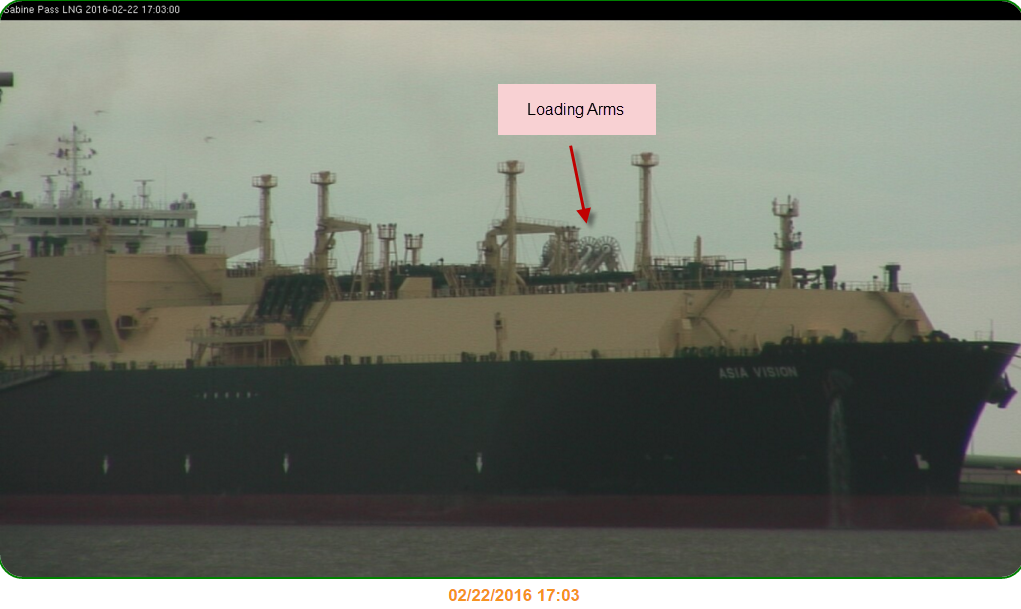
Figure 1; Source: Genscape’s Global LNG Monitor
Last time, in Part 1 of Commencing Countdown, we looked at gas flows into the Sabine terminal in preparation for this historic cargo and showed that since Dec. 1, 2015 Sabine Pass received close to 7.5 Bcf of gas supply from two separate pipelines – Creole and NGPL –as part of start-up testing and commissioning activities for the first two liquefaction trains. Since then, receipts have climbed to more than 8 Bcf. Of that, 4.0 Bcf (50%) has come from Creole Trail while the other half has come from NGPL. These volumes are not large enough to make a dent in the overall U.S. supply/demand balance. However, they may provide an early indication of how the terminal and subsequent exports will be supplied. So this time we look at where the gas is coming from. To pinpoint that, we first started with pipeline flow data from Genscape’s Natural Gas Analyst querying tool. Figure 2 shows the daily gas volumes posted for receipts at the Natural Gas Pipeline of America (NGPL) and Chenier Creole Trail pipeline interconnects upstream of the Sabine terminal. In the case of NGPL, since it directly connects to the terminal, the receipt and delivery point is one and the same.

About the song
“Space Oddity” was written by David Bowie and first released as a single in July 1969. It would later appear as the first track on side one of Bowie's second studio album, David Bowie. In 1972, after the success of Bowie's The Rise and Fall of Ziggy Stardust and the Spiders from Mars album, RCA re-titled the album Space Oddity and re-released the song as a single. This time it reached #5 on the UK Singles chart and #15 on the Billboard Hot 100 Singles chart. Over the years the song has been covered by a variety of artists. Perhaps the most interesting rendition is that of Canadian astronaut Chris Hadfield, who performed the song aboard the International Space Station (ISS) in May 2013. Having come full circle, it was the first song to be recorded in space. Personnel on the record were: David Bowie (vocals, 12-string acoustic guitar, Stylophone, handclaps), Mick Wayne (lead guitar), Herbie Flowers (bass), Jerry Cox (drums), Tony Visconti (flues, woodwinds), Rick Wakeman (Mellotron), and Paul Buckmaster (string arrangement).
David Bowie/Space Oddity was recorded between June and October 1969 at Trident Studios in London, with Tony Visconti and Gus Dudgeon producing. Originally released in November 1969, the album would reach #17 on the UK Albums chart and #16 on the Billboard 200 Albums chart after its re-release in 1972. “Space Oddity” is the only single released from the LP.
David Bowie (David Robert Jones) was an English singer, songwriter, musician, and actor. He released 26 studio albums, 21 live albums, 46 compilation albums, 10 EPs, three soundtrack albums, and 128 singles and has sold over 100 million records worldwide. Bowie appeared in 11 television shows and 23 motion pictures, and has won five Brit Awards, one Daytime Emmy Award, six Grammy Awards, four Ivor Novello Awards, and four MTV Video Music Awards. A member of the Rock and Roll Hall of Fame, Bowie left this planet in January 2016.






Comments
Glad I squeeked to get oil. Lot of insights here and lot of research. Thanks for the nice detailed map explanation.