


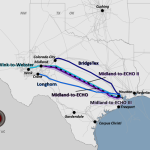
The largest crude oil pipeline exiting the Permian Basin by volume — Wink to Webster (W2W, light-blue line on map below) — achieved full utilization in February and March. According to monthly flow data published recently by the Texas Railroad Commission (RRC), W2W operated at maximum capacity in both months. This is inclusive of Enterprise’s Midland-to-ECHO III (ME III, light purple line), which reflects the company’s 29% undivided joint interest in W2W. Combined, the two pipelines can transport 1.5 MMb/d, representing over half of the crude oil capacity flowing from the Permian Basin to Houston.
Featured Articles


- Blog
Glimpse of the Future - Upcoming W2W Maintenance Will Tighten Permian Oil Takeaway, Wreak Havoc on Prices
The largest crude oil pipeline exiting the Permian Basin by volume — Wink to Webster (W2W) — is planned to be offline for maintenance for the first 10 days of June. This is inclusive of Enterprise’s Midland-to-ECHO III (ME III), which reflects the company’s 29% undivided joint interest in W2W. Although the outage has not been publicly confirmed, it’s our understanding that 1.5 MMb/d of capacity will be offline to reroute a small section of pipeline. In today’s RBN blog, we’ll examine how the planned maintenance will impact Permian Basin oil takeaway capacity and what it may mean for Midland WTI pricing.


- Blog
My Way - ExxonMobil's Strategy for Wink to Webster Pipeline Enhances Control of Permian Crude
The Wink to Webster Pipeline, operated by ExxonMobil, stands out as the largest crude oil pipeline by capacity exiting the prolific Permian Basin in West Texas. What makes it even more of a midstream icon is the company’s hands-on management of the entire process, from the production well to the long-haul run to delivery to ExxonMobil’s refineries. In today’s RBN blog, we’ll examine Wink to Webster’s complicated ownership structure, how it connects directly to terminals run by its owners and its destination flexibility.
- Analyst Insight
Wink to Webster June Volumes Fell 36% Due to Planned Maintenance
The largest crude oil pipeline exiting the Permian Basin by volume — Wink to Webster (W2W) —was offline for planned maintenance during the first 10 days of June to reroute a small section of the line.
