


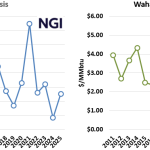
After wallowing at a negative 50 cents per MMBtu between March and October last year, Permian Waha natural gas prices have rebounded this year, averaging $3.11/MMbtu so far in January and spiking up to $7.52/MMBtu over the MLK holiday weekend according to NGI. As shown in the left graph below, the annual Waha basis averaged about $0.10/MMbtu from 2011 to 2017. But then Permian production exceeded pipeline takeaway capacity, creating wild price action (right graph below) from 2018 until today. Anytime a new pipeline comes online, the Waha price improves, but as production continues to ramp up the price collapses under the weight of oversupply.
Featured Articles


- Blog
Hugh Do You Love? Encore Edition - A New Entrant to Tackle the Permian's Dire Need for Gas Takeaway Capacity
Negative natural gas prices have been breaking hearts in the Permian Basin for many years, with pipeline development struggling to keep pace with rapid increases in associated gas production, but 2024 has shattered all previous records for the severity and length of negatively priced periods. The Matterhorn Express Pipeline, which started partial service at the beginning of October, is helping to stabilize the market for now, but with more production gains on the way, additional takeaway capacity will be needed. And after this year’s run of negative prices, producers have been willing to commit to new capacity.


- Blog
Hugh Do You Love? - A New Entrant to Tackle the Permian's Dire Need for Gas Takeaway Capacity
Negative natural gas prices have been breaking hearts in the Permian Basin for many years, with pipeline development struggling to keep pace with rapid increases in associated gas production, but 2024 has shattered all previous records for the severity and length of negatively priced periods. The Matterhorn Express Pipeline, which started partial service at the beginning of October, is helping to stabilize the market for now, but with more production gains on the way, additional takeaway capacity will be needed. And after this year’s run of negative prices, producers have been willing to commit to new capacity.
- Analyst Insight
Crunch Time Coming for Permian Natural Gas; Sustained Relief is Still More than A Year Away
Pipeline takeaway capacity constraints are getting worse and will not see any sustained relief for more than a year.

Comments
Great insights here. Keep up the good work, RBN!