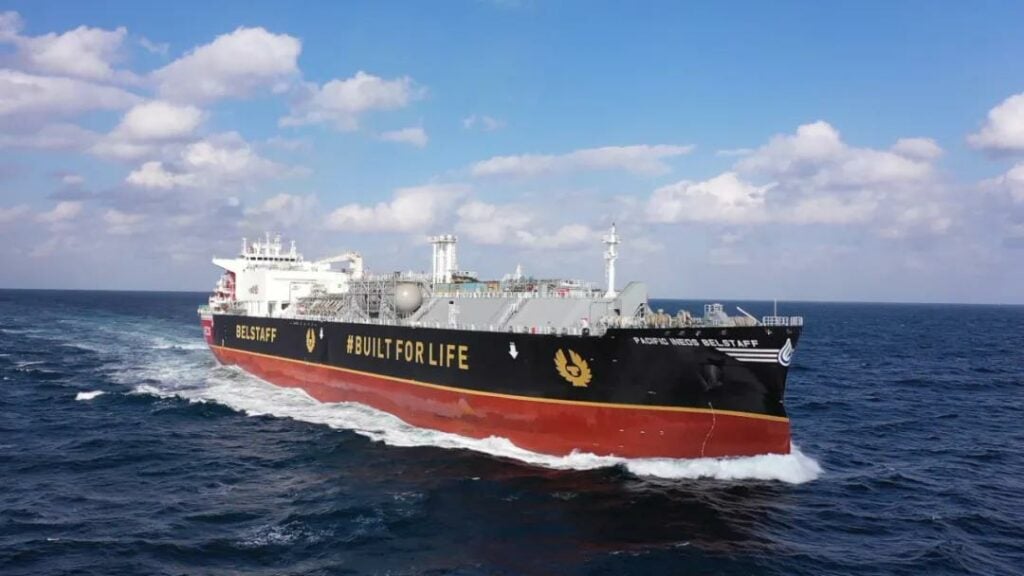
The office of the U.S. Trade Representative (USTR) began assessing fees on vessels that are Chinese owned, operated or built on October 14. However, last Friday (October 10), the office announced changes to the fees.
To recap, the order was originally set so that fees on vessels that were owned or operated by Chinese companies would have to pay a fee of $50 per net ton (ramping up to $140 per net ton by 2028). This would have applied to portions of the ethane and LPG fleet. However, in the announcement on October 10, the USTR modified the language such that an LPG or "Other Liquefied Gas Carrier" will be exempt from the fees if they are currently under or enter into a long-term charter agreement (defined as 20 years or more) on or before December 31, 2027. The order states that the vessel would then be considered "owned and operated by the charterer." By our reading, Chinese-chartered vessels would still be required to pay the fee.
To put these fees in perspective: a typical Very Large Ethane Carrier has an average capacity of around 50,000 tons. That fee would be equal to $2.5 million at the start and would ramp up to $9 million by 2028. This is equal to about 7 c/gal of ethane today and a 25 c/gal in 2028. The non-TET ethane price averaged 28.6 c/gal last week.
The second part of the initial order was that vessels built in China that were not owned or operated by Chinese companies pay a fee of $18 per net ton starting October 14 (which would ramp up to $33 per net ton by 2028). However, this rule exempts vessels arriving in ballast so it would have only a small impact on U.S. LPG and ethane, most of which arrive in ballast. The exception would be vessels arriving into the Northeastern U.S. with propane during the winter; however, getting a non-Chinese vessel for this delivery would not be difficult given the liquidity in the LPG shipping market.
For those vessels having fees assessed, Friday's amendments also allow for a delay in the collection of the fees until December 10, 2025.