


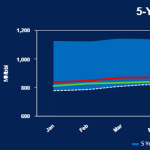
According to the EIA's Weekly Petroleum Status Report (WPSR) released this morning for the week ended July 24, U.S. commercial crude inventories posted their largest weekly draw in over two months, falling more than 7 MMbbl to less than 405 MMbbl. Total crude once accounting for SPR inventories currently sits at 712 MMbbl (yellow circle in chart below). This draw reduces commercial crude inventories to their lowest level since October 2018, as exceptionally strong refinery demand more than offset modest export growth. As discussed in this week's Crude Oil Billboard, the bulk of the draw occurred in PADD III, where inventories declined 6.5 MMbbl alongside a sharp increase in capacity utilization to above 100% as refiners continue to capitalize on near record-high crack spreads.
Featured Articles
- Analyst Insight
Running on Reserve: Crude Oil in the SPR Plummets to a Four-Decade Low
According to the EIA's Weekly Petroleum Status Report (WPSR) released this morning, the Strategic Petroleum Reserve (SPR) recorded its 13th consecutive weekly draw for the week ended June 19, reducing stocks to levels not seen since 1983.
- Analyst Insight
Refinery Utilization Hits an Eight-Year High as Product Cracks Remain Strong
As discussed in this week’s Crude Billboard, the EIA’s latest Weekly Petroleum Status Report (WPSR) shows how strong refinery demand and exports can quickly tighten U.S. crude balances, even as imports rise.
- Analyst Insight
Strategic Crude Oil Reserve Extends Drawdown to 14 Straight Weeks
According to the EIA's Weekly Petroleum Status Report (WPSR) released this morning, the Strategic Petroleum Reserve (SPR) recorded its 14th consecutive weekly draw during the week ended June 26.

Comments
the rate that oil supplies are falling is also relevant; that total crude including the SPR at 712 MMbbl as of July 24th is down from 871 MMbbl on April 17th....at that rate, we'll be in a heap of trouble by year end...