


The Northeastern United States was pummeled by frigid weather for the four days starting on Martin Luther King Day (January 20) and ending on January 24. During this period, total Northeast gas demand averaged 37.7 Bcf/d, which is 4.6 Bcf/d higher than the month-to-date average. This is the highest level ever seen for Northeast demand. With such extremely high demand within the region, pipeline outflows fell to much lower than usual levels, as seen in the chart below. During the four days of the snowstorm ouflows from the Northeast averaged 8.1 Bcf/d.
Featured Articles


- Blog
Don't Stop Believin' - The Push to Enable Higher Appalachian Gas Flows Into North Carolina
After a decade of regulatory and legal challenges, Mountain Valley Pipeline (MVP) finally came into service in the middle of last year. The 2-Bcf/d pipeline — soon to be expanded to 2.5 Bcf/d via additional compression — was designed to ease natural gas takeaway constraints out of the Marcellus/Utica and help production there break past its current plateau near 36 Bcf/d, but bottlenecks on the massive Transco Pipeline have complicated matters. In today’s RBN blog, we look at efforts to unleash more Appalachian gas in the domestic market, focusing on the Southside Reliability Enhancement Project (SREP), which has enabled more gas to reach North Carolina.


- Blog
Signs of Life, Part 2 - Transco Corridor Expansions Give Appalachian Gas Producers a Way Out
When it comes to midstream development in the Northeast, Appalachian natural gas producers have learned by now not to hold their breath. The region is notorious for its staunch environmental opposition to hydrocarbon infrastructure and its propensity for sending gas pipeline projects to the trash pile. Against all odds, however, midstream development in the region has thawed in recent months, in large part spurred by the unlikely advancement of Mountain Valley Pipeline (MVP), the long-embattled project to move up to 2 Bcf/d from the Appalachia gas supply basin to the Transco Corridor, which runs north-south along the Eastern Seaboard. In today’s RBN blog, we take a look at historical flows on Williams’s Transco Pipeline and what they can tell us about how MVP and Transco’s own planned expansions might reshape gas flows along the corridor.

- Blog
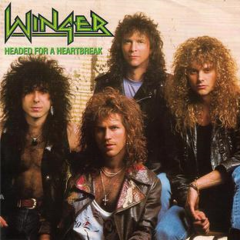
Headed for Heartbreak, Part 4 - Will Northeast Gas Outflows to the Gulf/Southeast Max Out Capacity This Spring?
Natural gas pipeline takeaway constraints out of the Northeast worsened in 2020 despite producer cutbacks in the region as high storage levels and weaker demand led to record volumes of Appalachian gas supplies needing to find outlets in other regions last fall. This year, storage levels are lower and could absorb more of the surpluses during injection season. However, Appalachian gas production so far in 2021 has been averaging higher than last year; and, gas prices are higher year-on-year, reducing prospects for the kinds of producer curtailments we saw last year. As for the “pull” from downstream demand, LNG exports along the Gulf Coast aren’t expected to experience the slump from cargo cancellations seen last summer. In other words, Appalachia’s outbound flows are likely to be robust, setting the stage for takeaway constraints and weak prices, particularly during the spring and fall shoulder seasons. How much outbound capacity currently exists and how much room is there for growth? Today, we continue our series on the Northeast gas market with an update on Appalachia’s southbound takeaway capacity and outflows, starting with a detailed look at the gas moving to the Southeast and to the Gulf Coast.
